Castlemore Lock & Key Co.Service bulletin 3 of 3
Vintage Mortise Lock Service: inside the visit
Occasionally a case really is finished, with a cracked body, a bolt worn to a sliver or a hub broken in two, and the answer is a replacement that respects the door.
Brampton, Ontario · Locksmith · open 24/7
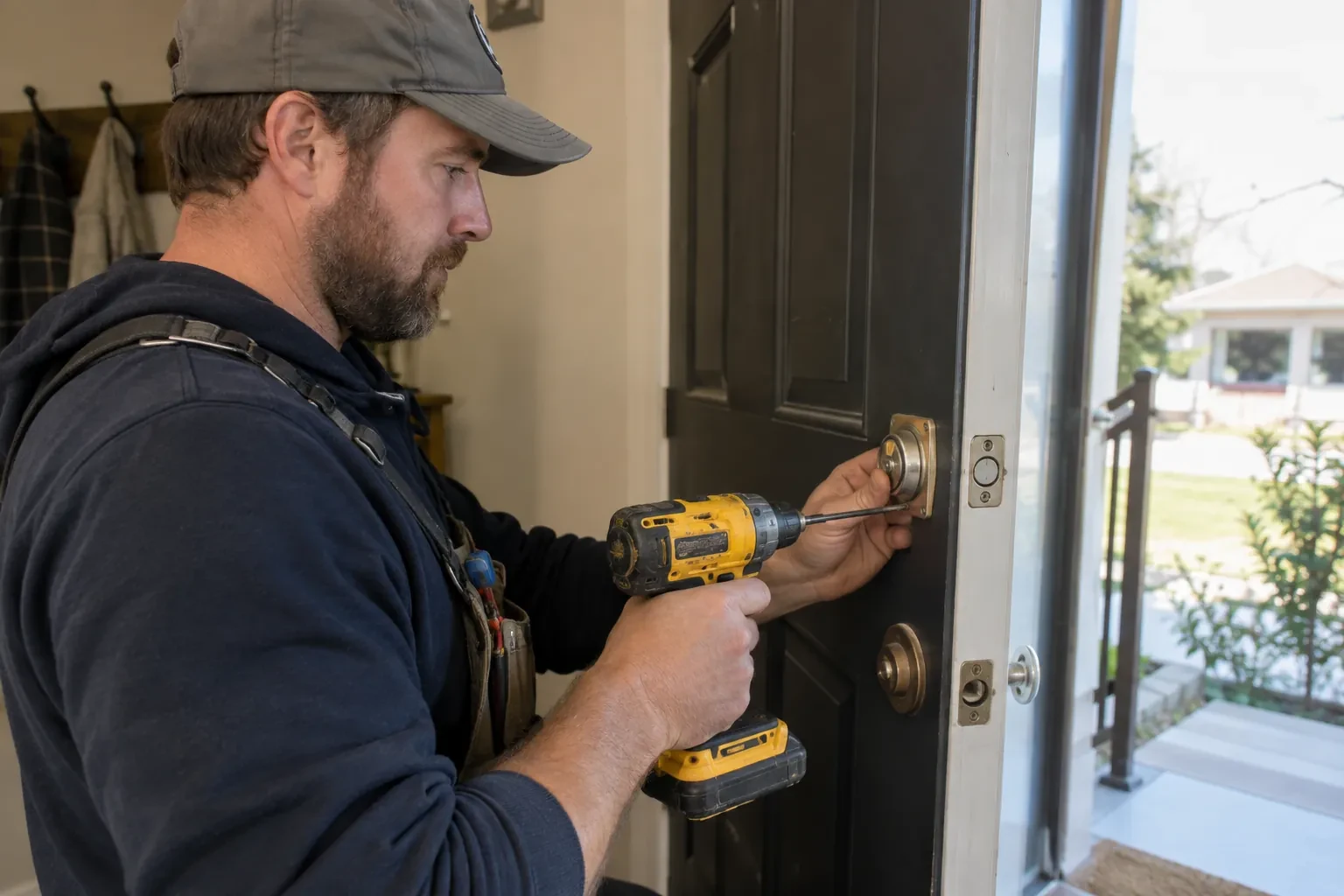
Occasionally a case really is finished, with a cracked body, a bolt worn to a sliver or a hub broken in two, and the answer is a replacement that respects the door. Reproduction mortise cases are made in common vintage sizes and backsets, and a modern case with a pin-tumbler cylinder can fit many old pockets with little woodwork once its faceplate and hub also line up. The locksmith measures the case, backset, faceplate and trim spacing before ordering, aiming for the new case to drop in with your original knobs and escutcheons going back on. From the hallway, the door looks untouched; it just works.
Which keys exist and who has them
The locksmith asks to see every key that goes with the door: the one that works, the ones that used to, and the bag of loose bit keys that came with the house. A worn original is still the most useful pattern for a new key, and a bent one explains why the lock has become temperamental. For a cylinder lock, a lost or stolen key is a reason to rekey while the case is out, and a key that only a former occupant holds is worth retiring. The count of keys wanted afterwards is settled now too, so the spares are cut while the lock is on the bench rather than on a return visit.
When a case is fitted new
If the old case could not be saved, the replacement is fitted to the door rather than the door to the replacement. A reproduction or modern mortise case matching the measured height, depth, backset, faceplate and hub is chosen with the goal of it dropping into the existing pocket; where a small difference remains, the pocket is trimmed with a chisel by the least amount that works, never bored out. The original knobs, escutcheons and strike are refitted wherever their spacing allows, and a new cylinder is keyed to match the rest of the house if wanted. The result reads as the original lock from either side of the door, with the reliability of a fresh mechanism.
Looking after the finish
The brass or bronze knobs and escutcheons on an old door have earned their patina, left alone unless you ask otherwise. Paint cleaned from a faceplate or strike leaves the bare metal as found, not polished bright. If you would rather see them shine, check the finish first: unlacquered brass takes a gentle polish well, kept off the keyhole and spindle; polishing a lacquered piece can scratch through it and start tarnish underneath. Lacquered reproduction parts resist tarnishing rather than darken to match; an unlacquered reproduction is built to age and blend in over a season or two. A light wipe when dusting is all the upkeep the trim needs; wet cleaners find their way into the case.